Expert Siding Assistance to Strengthen Your Home's Outdoor appeal
Excellent siding services play an essential role in strengthening a home's visual appeal. An engaging exterior can greatly influence a property's price and initial perceptions. Competent installation warrants durability and energy savings. With assorted materials accessible, homeowners possess options that suit their tastes and local styles. Yet, the decision-making process requires more than just aesthetics. Recognizing the bearing of siding choices can produce unexpected benefits. What factors should homeowners weigh when replacing their siding?
The Role of Siding in Your Home's Value
Siding greatly improves a home's complete worth and visual appeal. It acts as a protective barrier to outside elements while concurrently transforming the exterior appearance. Various materials, including vinyl, wood, and fiber cement, offer special advantages, allowing homeowners to select based on budget, style, and durability choices. Well-maintained siding can significantly boost curb appeal, creating a strong first impression on potential buyers.
Research demonstrates that premium siding upgrades can yield a significant financial gain, often recovering a considerable percentage of the installation cost. Additionally, siding enhances energy efficiency, further increasing a home's appeal. The right choice of finish and appearance can elevate a property's aesthetic, matching local design standards and preferences. Therefore, investing in premium siding options not only enhances curb appeal but also places a home advantageously in a competitive housing market.
Why You Need to Examine Experienced Siding Installation?
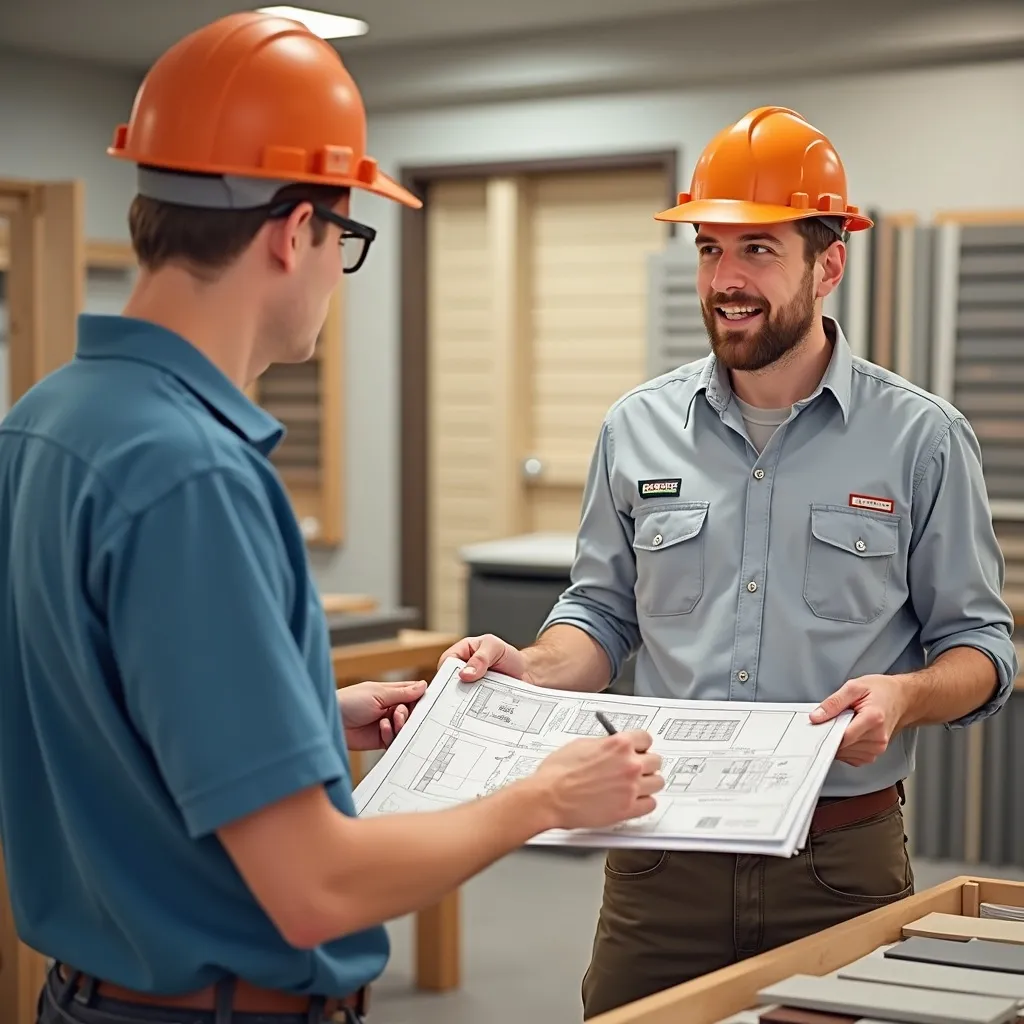
Opting for professional siding installation can significantly enhance the durability and aesthetic appeal of a home. Professionals possess the expertise and experience required to ensure that siding is properly installed, reducing the risk of future issues such as leaks or warping. Correct installation not only improves the overall look of the property but also supports energy efficiency by making sure insulation is effectively utilized.
Moreover, professionals typically have access to high-quality supplies and equipment, which can lead to a more polished finish. They can also offer useful guidance on cladding choices that best suit the homeowner's needs and local climate conditions. This ensures that the investment pays off in the future. Additionally, hiring professionals often comes with warranties, providing peace of mind regarding the craftsmanship. Overall, opting for professional siding installation can deliver significant benefits that improve both the durability and visual appeal of a home.
Popular Siding Materials: Which One Is Right for You?
What aspects should homeowners examine when selecting siding materials? Several key elements can shape the decision. First, strength plays a essential role; materials like vinyl and fiber cement offer enduring performance against weather elements. Expense is another important consideration; while wood may provide aesthetic appeal, it often comes with higher maintenance expenses. Homeowners should also examine energy efficiency; insulated siding can help achieve lower climate control costs.
Additionally, care requirements differ various options. Vinyl siding, for instance, requires negligible upkeep, while wood may require regular painting or sealing. Aesthetic tastes are essential, as the right siding can enhance curb appeal significantly. Ecological impact may also be a matter; options like reclaimed wood or fiber cement can be more eco-friendly. In the end, considering these elements will help homeowners choose the siding material that best matches their needs, budget, and aesthetic vision.
Discovering Siding Choices That Coordinate With Your District's Appearance
While assessing new exterior cladding, homeowners should understand the significance of aligning their choice with the established aesthetic of their area. Choosing a siding style that complements surrounding homes not only improves individual curb appeal but also fosters visual harmony within the community.
Homeowners can begin by observing architectural movements in their area, such as popular materials, colors, and textures. For instance, a neighborhood noted by traditional brick homes may benefit from siding that mirrors classic styles, while a community of modern builds might favor sleek, contemporary finishes.
Additionally, it is essential to reflect on local climate and environmental factors when picking siding. Light colors may be more suitable for warmer regions, while darker shades can offer a cozy feel in cooler climates. Ultimately, thoughtful selection of siding styles fosters a sense of unity and enhances the overall appeal of the neighborhood.
Quality Siding: Your Gateway To Improved Energy Performance
Quality siding functions as an important element in strengthening a home's thermal efficiency, making it an essential matter for homeowners. Superior materials, such as insulated vinyl or fiber cement, offer remarkable thermal resistance, helping to manage indoor temperatures. This insulation lowers the reliance on heating and cooling systems, view this ultimately bringing about lower energy bills.
Additionally, quality siding minimizes air leaks, warding off drafts that can impact comfort. Proper installation additionally amplifies these benefits, ensuring a snug fit that keeps energy loss at bay. Many modern siding options come with reflective properties that deflect heat during warmer months, contributing to a cooler interior.
Investing in high-quality siding not only enhances a home's energy efficiency but also increases its market value. Homeowners can enjoy both immediate savings on energy costs and long-term benefits, making quality siding a wise investment for energy-conscious individuals.
Maintenance Advice for Long-Wearing Siding
To guarantee siding remains in top condition and lasts for years, regular maintenance is crucial. Homeowners should begin with routine inspections, inspecting for cracks, warps, or loose panels. Early detection of damage can prevent more extensive repairs. Cleaning siding at least twice a year is also vital; this can be achieved using a mixture of mild detergent and water to remove dirt, mold, and mildew.
A soft brush can help avoid damage when cleaning vinyl siding, whereas wood siding may require regular sealing and painting to guard against moisture. Moreover, maintaining adequate drainage surrounding your home helps prevent water damage, which can weaken siding integrity.
Trimming nearby trees and shrubs can prevent physical damage and reduce water accumulation. By following these maintenance tips, homeowners can significantly prolong the life of their siding, ensuring it continues to enhance the property's curb appeal for years to come.
Frequently Requested Questions
How much time does the siding installation process typically take?
The siding installation procedure typically takes one to three days, based on the home's size and intricacy. Elements such as atmospheric circumstances and the kind of siding materials can also affect the timeline.
What Are the Top Hues for Siding to Boost Resale Value?
Neutral colors such as gray, beige, and white are commonly considered the best for siding, as they appeal to many different buyers. Additionally, bold accents can enhance curb appeal without negatively impacting potential resale value.
Is Adding New Siding Over Old Siding Possible?
Yes, new siding can be applied over old siding, given the structure is sound. However, it's important to ensure proper moisture barriers and insulating material for maximum efficiency and to avoid potential issues down the line.
How Do I Identify if My Siding Needs Replaced?
Markers indicating siding replacement include visible damage, warping, peeling paint, and mold growth. Additionally, increased energy bills and persistent drafts may suggest insulation issues. Regular inspections can help homeowners identify these concerns before they escalate.
Which Guarantees Can You Get for Siding Products and Installation?
There are various warranties for siding materials and installation, including manufacturer warranties covering defects, labor warranties for installation, and performance warranties guaranteeing longevity. The duration and coverage terms vary depending on the product and installer, requiring detailed review before buying.